Choosing where to go to college is already a monumental decision, but for high-achieving students, an additional layer of complexity often emerges: Deciding if an Honors College is right for you. This isn't just about picking a university; it's about opting into a distinct academic experience within that institution, promising both unparalleled opportunities and significant demands. Are you prepared to embrace the rigor, or might it detract from the broader college experience you envision? Let's unpack what an honors program truly entails, helping you discern if it's the right path for your unique academic journey.
At a Glance: Key Considerations for Honors Programs
- What it is: A specialized academic track or distinct college within a larger university, designed for academically gifted and highly motivated undergraduates.
- Core Purpose: To provide a more challenging, engaging, and personalized educational experience than standard university offerings.
- Key Benefits: Smaller classes, dedicated advising, priority registration, unique course offerings, potential scholarships, enhanced community, and a special diploma distinction.
- Major Commitments: Significantly heavier workload, tougher grading, often a required thesis or capstone project, and strict GPA maintenance.
- Who it's For: Intellectually curious students who thrive on challenge, enjoy deep dives into subjects, and are disciplined self-starters.
- Crucial Distinction: An "Honors College" is typically a separate entity with its own facilities, while an "Honors Program" is a curriculum track within an existing department. Both offer similar benefits but vary in structure.
Unpacking the "Honors" Label: Colleges vs. Programs
Before we dive into the pros and cons, it's vital to clarify what an honors experience actually means, as the terms "Honors College" and "Honors Program" are often used interchangeably, yet they represent slightly different structures.
Think of it this way: a university is like a sprawling city.
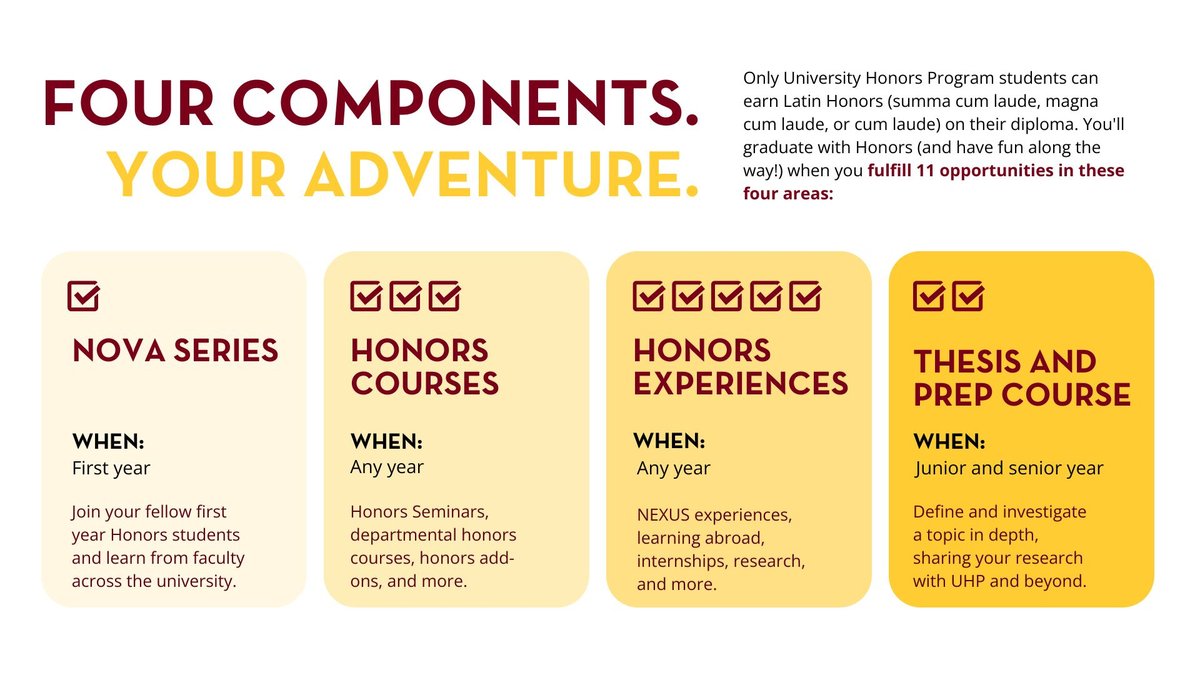
- An Honors Program is akin to a specialized, curated neighborhood within that city. You still live within the main city limits, but you have access to exclusive parks, events, and a specific set of rules or guidelines. These programs often exist within individual departments or as university-wide initiatives without their own separate administrative structure. They might involve additional coursework, specific research requirements, or an honors thesis to graduate with distinction. You're part of the university, but with an enhanced academic overlay. This model is common at smaller institutions, or even large universities where the "honors" element is more about curriculum than a separate student body.
- An Honors College, on the other hand, is like an independent town that happens to be located within the boundaries of a much larger city. It has its own town hall (administration), its own dedicated facilities (residence halls, study spaces), its own police force (academic advisors), and often its own exclusive courses. Students in an Honors College are distinct; they often matriculate directly into the college, forming a more insulated and cohesive community from day one. This model is frequently found at large public universities, such as the Schreyer Honors College at Pennsylvania State University or the Judy Genshaft Honors College at the University of South Florida, designed to offer an elite, small-college feel within a vast institution.
While their organizational structures differ, both models share the common goal of providing a more rigorous, enriching, and personalized educational journey for high-achieving students. The core benefits and commitments we'll discuss largely apply to both.
The Honors Advantage: Why Students Seek This Path
For many, the idea of an honors program is incredibly appealing, and for good reason. It offers a suite of benefits designed to enhance the undergraduate experience in profound ways.
A More Intimate Academic Environment
One of the most frequently cited advantages of honors programs is the promise of smaller class sizes. Imagine discussing complex theories in a seminar room with 15-20 peers and a professor, rather than sitting in a lecture hall with 300-500 students. This setup fosters:
- Increased Professor Interaction: You're not just a face in the crowd. Professors get to know you, your strengths, and your interests. This can lead to invaluable mentorship, research opportunities, and stronger letters of recommendation crucial for graduate school or job applications.
- Deeper Engagement and Discussion: With fewer students, there's more time for rich dialogue, debate, and exploration of topics beyond the textbook. This intellectual sparring sharpens critical thinking and communication skills.
- Personalized Learning: Instructors can tailor assignments and discussions more closely to student interests, making the material more relevant and engaging.
Priority Registration: The Power to Plan Your Schedule
Ever heard horror stories of students struggling to get into required classes, delaying graduation, or being stuck with undesirable schedules? Honors students often bypass this headache with priority registration. This perk allows you to:
- Secure Desired Courses: Get into the classes you need, with the professors you want, at the times that work best for your schedule. This eliminates a significant source of stress and helps you stay on track for your degree.
- Explore Niche Interests: With guaranteed spots in core requirements, you have more flexibility to pursue electives in subjects that genuinely fascinate you, broadening your academic horizons.
A Community of Like-Minded Peers
Many honors programs, especially Honors Colleges, offer designated honors residence halls. This isn't just about having a nicer dorm room; it's about cultivating a vibrant, supportive community:
- Intellectual Camaraderie: You're living alongside students who are just as academically driven, curious, and motivated as you are. This creates a natural environment for study groups, intellectual discussions, and shared aspirations.
- Built-in Support System: Facing a challenging assignment? Need to vent about a tough professor? Your neighbors understand and can offer support, collaboration, and perspective. This can be particularly valuable in a large university setting, helping to mitigate feelings of isolation.
- Networking Opportunities: The connections you forge in an honors community can extend far beyond graduation, forming a powerful professional and personal network.
Elite Education at an Affordable Price Tag
For students considering private universities but drawn to the value of public institutions, an honors program can offer the best of both worlds. Many honors programs at public universities provide an elite education—comparable in rigor and resources to top-tier private schools—often accompanied by scholarships.
- Financial Advantage: Honors scholarships can significantly reduce tuition costs, making a prestigious education more accessible.
- Resource Access: Despite being part of a larger public university, honors students often get access to exclusive resources, facilities, and even specialized career services typically associated with more expensive institutions.
- Reputation Boost: Graduating from an honors program at a strong public university gives you the rigor and recognition that can rival, and sometimes even surpass, a degree from a less selective private school, all without the exorbitant debt.
Enhanced Support and Guidance
Navigating college, let alone a demanding honors curriculum, can be daunting. Honors programs typically provide enhanced support from academic advisors who specialize in guiding high-achieving students:
- Personalized Academic Planning: Advisors help you map out your coursework, ensuring you meet honors requirements while also pursuing your passions and career goals.
- Thesis Development: For programs requiring a thesis or capstone project, advisors offer invaluable guidance, connecting you with faculty mentors and helping you refine your research.
- Graduate School & Career Placement: Honors advisors often have strong connections and expertise in helping students prepare competitive applications for top graduate programs, professional schools, and coveted career opportunities. They can provide tailored advice on everything from essay writing to interview preparation.
A Distinction That Travels Far
Graduating from an honors program confers a special distinction on your diploma, often accompanied by ceremonial regalia (medals, cords, stoles) during commencement. This isn't just for show:
- Impress Employers: It signals to potential employers that you are highly motivated, capable of rigorous work, intellectually curious, and committed to academic excellence.
- Boost Graduate School Applications: Admissions committees for graduate and professional schools view honors distinctions favorably, as they indicate preparedness for advanced academic challenges and research.
- Personal Achievement: Beyond external recognition, it's a testament to your hard work, dedication, and intellectual growth throughout your undergraduate career.
Beyond the specific program, graduates typically receive additional academic distinctions based on their final cumulative GPA, recognized university-wide: - Cum Laude (Latin for "with honor"): Usually for a GPA between 3.5 and 3.7.
- Magna Cum Laude (Latin for "with great honor"): Typically for a GPA between 3.7 and 3.9.
- Summa Cum Laude (Latin for "with highest honor"): Reserved for the most exceptional academic performance, usually a GPA of 3.9 or higher.
These distinctions are printed directly on your diploma and are celebrated with special recognition during commencement ceremonies, marking you as one of the university's top scholars.
The Other Side of the Coin: The Real Commitments and Challenges
While the benefits are compelling, it's crucial to approach an honors program with open eyes. This path is not without its demands and can be genuinely challenging. It's not just "more school"; it's a qualitatively different experience.
A Significantly Heavier Workload
This is perhaps the most immediate and impactful reality of an honors program. You can expect:
- More Rigorous Classes: Honors courses aren't just harder versions of regular classes; they often delve deeper into theoretical frameworks, require more independent critical analysis, and push you to engage with material at an advanced level.
- Extensive Reading and Research: Be prepared for substantial reading lists, often primary source materials, and expectations for research beyond what's typical in standard courses.
- Tougher Grading: With increased rigor comes higher expectations. Professors in honors courses are often less lenient with grading, demanding precision, depth, and originality in your work.
- Required Honors Thesis or Capstone Project: Many programs culminate in a significant, independent research project or creative endeavor. This can be a year-long undertaking, requiring immense dedication, self-discipline, and intellectual stamina, on top of your regular coursework.
Maintaining Specific GPA and Course Requirements
Admission to an honors program is just the first step. To remain in good standing and ultimately graduate with honors, you must:
- Meet a Higher GPA Threshold: Honors programs typically require a higher cumulative GPA than the university's general graduation requirement. Falling below this threshold can result in probation or even removal from the program.
- Complete Specific Honors Courses: You'll likely need to take a certain number of honors-designated courses, which might limit your flexibility in choosing electives or pursuing certain minors.
- Adhere to Program-Specific Rules: Each program has its own set of rules regarding course progression, participation, and academic integrity, all of which must be meticulously followed.
Potential for Increased Stress and Burnout
The combination of a heavier workload, higher stakes, and constant pressure to perform can lead to increased stress. For some, this environment can be exhilarating; for others, it can be overwhelming.
- Sacrifice of Free Time: You may find yourself spending more time on academics than your non-honors peers, potentially limiting participation in extracurriculars, social events, or even adequate rest.
- Risk of Imbalance: Striking a healthy balance between academics, social life, and personal well-being becomes even more critical, and potentially more challenging, in an honors program.
Is an Honors Path for You? Key Questions to Ask
Before you commit, take a moment for honest self-reflection. An honors program is an investment of time, energy, and intellect. Is it an investment that will yield the returns you desire? Consider these questions:
1. Are You Genuinely Intellectually Curious?
Do you enjoy learning for its own sake? Are you the kind of person who dives deep into topics, asks "why" constantly, and seeks to understand nuances beyond the surface level? Honors programs thrive on intellectual curiosity, pushing you to question, explore, and create knowledge. If you see academics as merely a means to an end, the rigor might feel like a burden rather than a stimulating challenge.
2. How Strong Are Your Academic Qualifications and Work Ethic?
Honors programs are for students with strong academic records—stellar grades, high SAT/ACT scores, and a history of taking rigorous high school classes (AP, IB, dual enrollment). But beyond grades, do you possess a strong work ethic? Are you self-disciplined, organized, and capable of managing significant commitments independently? The workload is demanding, requiring consistent effort.
3. Do You Enjoy a Challenge?
Some students shy away from difficulty; others are energized by it. Which one are you? Honors courses are designed to be challenging. They are not about "easy A's." If you embrace intellectual hurdles as opportunities for growth and problem-solving, an honors program could be a perfect fit.
4. Do You Desire a More Personalized and Supportive Academic Environment?
If the idea of being a small fish in a very big pond at a large university makes you uneasy, an honors program can offer a critical antidote. It provides a close-knit, supportive community and more direct access to professors and advisors. If you crave that intimate college experience within a larger institution, this is a strong pull.
5. What are Your Post-Graduation Goals?
Are you planning for graduate school, law school, medical school, or a highly competitive career path? The enhanced advising, research opportunities, and academic distinction from an honors program can significantly strengthen your applications and give you a competitive edge. The thesis experience, for example, is invaluable preparation for graduate-level research. For more context, you might want to consider all factors when Deciding on Honors College.
6. Can You Balance Academics with Other Interests?
Honors programs demand a significant time commitment. Be realistic about your capacity to balance rigorous academics with extracurricular activities, part-time jobs, social life, and personal well-being. While honors students absolutely have social lives and engage in campus activities, it often requires superior time management skills.
7. Are You Willing to Make a Big Commitment?
This isn't just about applying; it's about seeing it through. The required GPA, the specific course load, and potentially a multi-semester thesis project all represent a sustained commitment throughout your undergraduate career. Are you ready for that long-term dedication?
Common Misconceptions About Honors Programs
It's easy to form assumptions, but let's clear up a few common misunderstandings about honors colleges and programs.
"Honors is Just More Homework."
Myth: While the workload is heavier, it's not just about quantity. Honors coursework emphasizes quality, depth, and critical thinking. Instead of simply more problems to solve, you'll often encounter more complex problems, open-ended discussions, and opportunities for original research. The goal isn't busywork, but intellectual growth.
"You Won't Have a Social Life."
Myth: Honors students are not cloistered in libraries 24/7. They are often highly involved in campus clubs, sports, volunteer work, and social events. In fact, living in honors residence halls or participating in honors-exclusive activities often enhances social opportunities by connecting you with a dynamic group of peers. It simply requires good time management.
"It's Only for 'Nerds' or 'Smart Kids'."
Myth: While academic aptitude is a prerequisite, honors programs seek well-rounded, curious, and motivated individuals, not just those with the highest test scores. Emotional intelligence, leadership potential, creativity, and a genuine passion for learning are just as valued. The community is often diverse in interests and backgrounds, united by a love of learning.
"An Honors Degree is the Only Way to Succeed."
Myth: While an honors distinction is a significant asset, it's not the sole determinant of future success. Many incredibly successful individuals never participated in honors programs. A strong GPA in a challenging major, meaningful internships, valuable extracurricular experiences, and a powerful network can be just as impactful. An honors degree can open doors, but your overall performance and experiences are what truly matter.
"All Honors Programs Are the Same."
Myth: This is a big one. As discussed earlier, the structure and offerings of an Honors College versus an Honors Program can differ significantly. Even within the same category, the specific perks, resources, requirements, and even the general "vibe" can vary widely between different institutions. Always research the specific program you're considering.
Making Your Final Decision: Actionable Steps
You've reflected on the pros and cons, and considered your own motivations. Now, how do you translate that into a concrete decision?
1. Research Specific Programs Thoroughly
Do not rely on general information. Every honors program is unique.
- Visit Program Websites: Look for details on curriculum, faculty, facilities, scholarships, and special events.
- Review Course Catalogs: What specific honors courses are offered? Are they in subjects that genuinely interest you?
- Examine Graduation Requirements: Understand the GPA threshold, thesis requirements, and specific course loads.
- Look for Alumni Testimonials: What do past graduates say about their experience and how it prepared them for their careers or further studies?
2. Engage Directly with the University and Program
The best way to get a feel for a program is to interact with those involved.
- Schedule a Campus Visit: If possible, include a specific tour or information session for the honors program.
- Talk to Current Honors Students: They are your best resource for unfiltered insights into the daily realities, challenges, and rewards of the program. Ask about workload, social life, and faculty interaction.
- Connect with Honors Faculty and Staff: Reach out to admissions counselors or program directors with specific questions. This also shows your initiative and interest.
- Attend Virtual Information Sessions: Many universities offer online opportunities to learn more about their honors programs.
3. Compare Your Options (If Applicable)
If you've been accepted to multiple universities and honors programs, create a comparative matrix.
- List the benefits and drawbacks of each specific program.
- Consider the overall university experience alongside the honors component. Does the university as a whole fit your needs and preferences, even without the honors label?
- Factor in cost, scholarships, location, and major availability across all your choices.
4. Trust Your Gut, But Be Realistic
Ultimately, the decision is yours. Trust your intuition, but ensure it's grounded in a realistic understanding of what an honors program demands. Are you excited by the challenge, or daunted by the commitment? Your honest answer will guide you.
An honors college or program offers a truly distinctive undergraduate experience, providing enhanced academic rigor, personalized support, and a vibrant community. For the intellectually curious, highly motivated student, it can be an incredibly rewarding path that sets the stage for future success. But it's not a decision to be taken lightly. By carefully evaluating your own aspirations, academic readiness, and the specific details of each program, you can confidently decide if this exceptional journey is the right one for you.