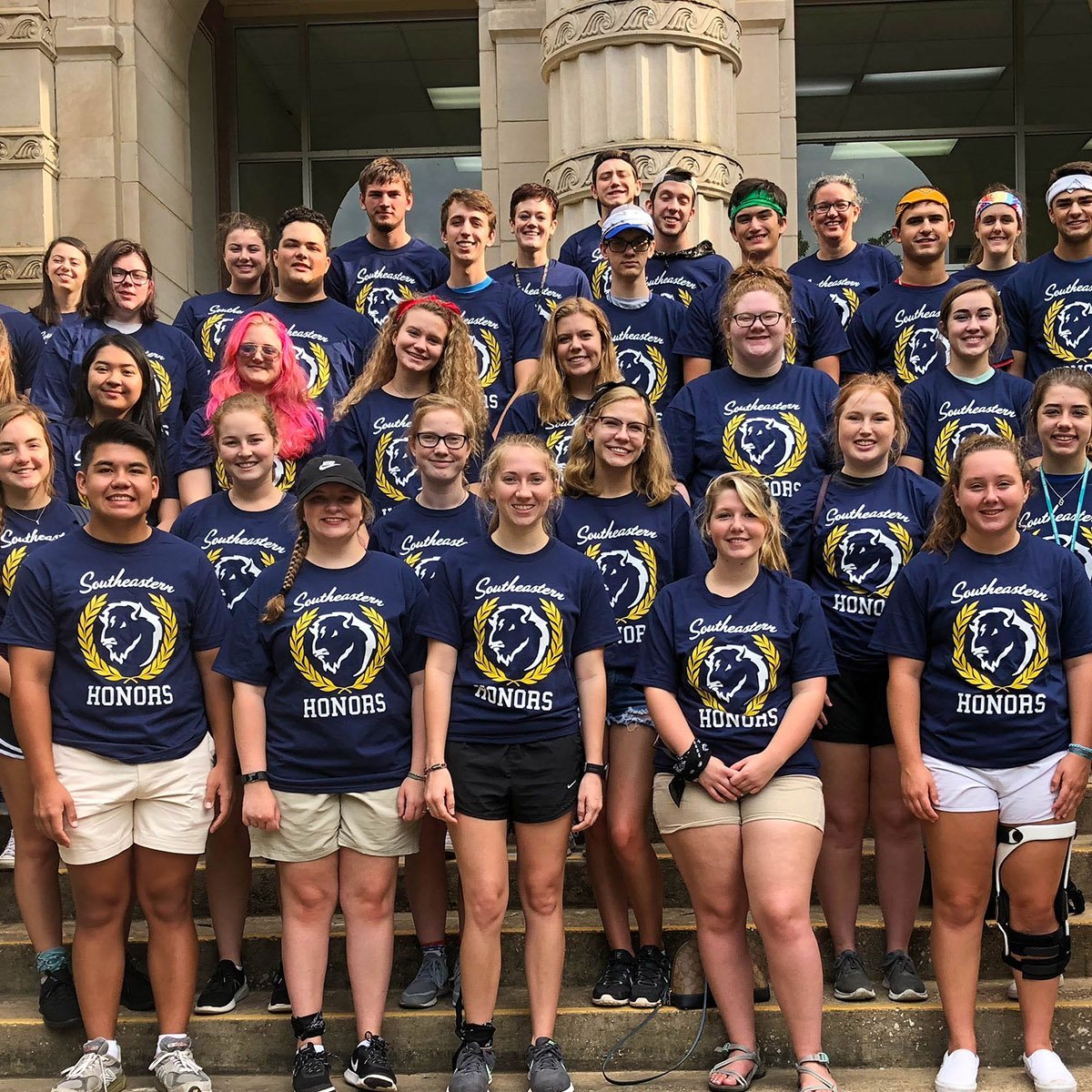
You’re considering an honors college or program, a path often lauded for its academic rigor and exclusive perks. It sounds appealing, but before you dive in, let's talk brass tacks: what's the real cost, what scholarships are genuinely available, and what kind of return on investment (ROI) can you truly expect from this elite educational track?
It’s a smart question, one that every ambitious student and their family should ask. Honors programs promise a more challenging, enriched undergraduate experience, but do they always deliver commensurate value, especially when factoring in the significant investment of time, effort, and money? We’re here to cut through the noise and give you a clear, actionable guide.
At a Glance: Key Takeaways
- Honors doesn't always mean more expensive. While some programs might have specific fees or housing, often the core tuition is the same.
- Scholarships are a major draw. Many top honors colleges and programs use generous merit aid to attract high-achachieving students, significantly offsetting costs.
- ROI extends beyond immediate job offers. Think enhanced academic experiences, smaller classes, research opportunities, strong community, and a distinctive credential for grad school or career advancement.
- "Honors College" vs. "Honors Program" matters. Colleges often have more independent funding, facilities, and a broader array of perks, which can impact the overall value proposition.
- Research is paramount. A program's fit for your goals and learning style is more important than its ranking alone.
Decoding Honors Education: Colleges vs. Programs
First, let's clarify what we're talking about. The terms "honors college" and "honors program" are often used interchangeably, but there's a crucial distinction that can impact your experience, and yes, even the financial value.
- Honors Colleges: Think of these as a university within a university. They operate with a higher degree of autonomy, often possessing their own dedicated funding, facilities (like specific dorms or study centers), faculty, and a comprehensive curriculum. They typically serve a smaller, more selective group of students, fostering a distinct community and offering a broader range of unique opportunities. Barrett, The Honors College at Arizona State University, and Schreyer Honors College at Penn State are prime examples.
- Honors Programs: These are usually more integrated academic tracks, often managed by individual departments or as a university-wide initiative. While they offer challenging coursework, special seminars, and extracurriculars not open to the general student body, they generally lack the independent structure, dedicated funding, and extensive facilities of a full honors college. The Plan II Honors Program at UT Austin and the Echols Scholars Program at UVA are excellent models of this structure.
Understanding this difference is key because it can influence the depth of resources available, the exclusivity of certain perks, and ultimately, the overall value you receive.
The Cost Factor: Are Honors Programs More Expensive?
This is often the first question on many families' minds. The good news? In most cases, enrollment in an honors college or program does not directly add to your tuition costs. You're still paying the standard university tuition, whether you're in honors or not.
However, there can be indirect costs or specific situations to consider:
- Specific Honors Fees: Some institutions might have a small, additional fee associated with honors enrollment to cover program-specific resources or events. These are usually nominal compared to overall tuition.
- Required Honors Housing: Many honors colleges, like The Honors College at Rutgers University, feature dedicated living-learning communities or specific dorms. While these often boast newer facilities and prime locations, they might come with a slightly higher room and board rate than standard university housing. Consider this an upgrade you might choose to pay for, rather than a mandatory honors cost.
- Opportunity Costs: This is a less tangible, but equally important, "cost." The rigor of an honors program often means more challenging coursework, extensive research, and potentially fewer free electives. This intense focus might limit your ability to work a part-time job or pursue certain extracurriculars if you're not careful with time management. It's a trade-off for deeper academic engagement.
Ultimately, for most honors students, the direct financial cost is largely tied to the university's standard tuition, room, and board, not an additional premium for the honors distinction itself. The real financial discussion shifts to how these programs offset costs through scholarships.
Show Me the Money: Scholarships & Financial Aid in Honors Programs
This is where honors programs truly shine for many high-achieving students. Honors colleges and programs are often significant purveyors of both merit-based and, sometimes, enhanced need-based financial aid. Why? Because they are designed to attract and retain top talent.
The Power of Merit Scholarships
Merit scholarships are awards given based on academic achievement, leadership, special talents, or other criteria, rather than financial need. Honors programs are a primary vehicle for universities to award these.
- Recruitment Tool: Universities leverage their honors programs, and the associated scholarships, to draw in the brightest students who might otherwise choose more selective private institutions. For you, this means leverage.
- Generous Packages: The best honors programs often offer substantial scholarship packages, which can include:
- Full or Partial Tuition Waivers: Macaulay Honors College at CUNY is a standout, offering a merit scholarship package that typically covers full tuition, a free laptop, and funds for study abroad, research, or internships. This is a game-changer, with 87% of its students graduating debt-free.
- Stipends for Research or Travel: Programs like Clemson Honors College offer research grants, while The Honors College at Rutgers provides scholarship opportunities for study abroad, research, and emergencies.
- Housing Allowances: Some scholarships might cover or reduce the cost of living in specialized honors dorms.
- Book Vouchers or Laptops: As seen with Macaulay, technology and educational resources are often part of the deal.
- Automatic Consideration vs. Separate Application: Some universities automatically review top applicants for honors admission and associated scholarships (e.g., Rutgers Honors College, Echols Scholars at UVA). Others, like the University of Kansas, require an additional essay and short answer, specifically for their honors program, which can then unlock scholarship opportunities. Always check the specific application process.
Need-Based Aid Still Applies
Don't forget that students in honors programs are still eligible for standard federal and institutional need-based financial aid. Filling out the FAFSA and CSS Profile remains crucial. While merit aid might be the highlight for honors students, need-based aid can further bridge any remaining financial gaps.
Programs Standing Out for Financial Assistance
Our research highlights a few programs particularly known for their financial aid offerings:
- Macaulay Honors College at CUNY: As mentioned, this program is a national leader in offering comprehensive merit scholarships, making a top-tier education remarkably affordable.
- Honors College at the University of Alabama: This college actively recruits high-achievers with generous merit and need-based scholarships. They boast over 11 types of scholarships, specifically for honors students, covering study abroad, research, and more. National Merit/Achievement Finalists often receive exceptionally robust packages, including automatic admission.
- Honors College at the University of South Carolina: Known for strong financial aid packages alongside its extensive academic offerings and honors-specific living communities.
Your Strategy for Scholarships:
- Excel Academically: High GPA and strong standardized test scores are the primary gateways for most merit scholarships.
- Highlight Achievements: Leadership roles, community service, unique talents – all these can bolster your scholarship application.
- Craft Compelling Essays: Many honors programs require additional essays. Use these to showcase your intellectual curiosity, unique perspectives, and why you’re a perfect fit for their program. Determining Honors College worth is often about articulating your potential.
- Meet Deadlines: Scholarship deadlines are often earlier than general admission deadlines. Pay close attention.
The ROI Equation: Is an Honors Program Worth It?
Beyond the financial spreadsheet, the true return on investment from an honors program is often found in the quality of your education, personal growth, and future opportunities. For many students, the benefits far outweigh the added academic rigor.
1. Elevated Academics & Intellectual Stimulation
- More Specialized Work: Honors courses delve deeper, move faster, and often involve more sophisticated material. This keeps high-achieving students engaged, preventing the boredom that can sometimes accompany standard introductory classes. You’ll tackle independent research, engaging seminars, and non-traditional learning experiences that push your boundaries.
- Smaller Class Sizes: This is a universally cited benefit. Honors classes typically feature significantly fewer students, fostering a more intimate learning environment. This means more personalized attention from professors, robust discussions, and greater opportunities to ask questions and receive tailored assistance.
- Interdisciplinary Exploration: Many honors programs encourage or even require interdisciplinary study. Plan II Honors at UT Austin, for example, is an interdisciplinary arts and sciences major known for its flexibility, with over 70% of students completing multiple majors. This broadens your perspective and problem-solving skills.
- Access to Top Faculty: Often, honors courses are taught by senior faculty, distinguished professors, or even Nobel Prize recipients (as seen at Barrett, ASU, and Macaulay, CUNY). This provides unparalleled access to leading minds in their fields.
2. Unparalleled Perks & Community
- Priority Registration: Imagine never having to stress about getting into that coveted class! Honors students frequently receive priority registration, a small but mighty perk that ensures you can build your ideal schedule. Clemson, Penn State, and the University of South Carolina all offer this.
- Enhanced Living & Learning: Many honors colleges provide dedicated dorms or living-learning communities, creating a vibrant intellectual hub. These often boast newer facilities, exclusive study spaces, and a built-in community of like-minded, ambitious peers. Rutgers Honors College stands out with its state-of-the-art building and dedicated facilities.
- Exclusive Resources: From private study centers and extended library privileges (Clemson) to dedicated academic advisors (Rutgers) who understand the unique honors curriculum, these resources are designed to support your success.
- Unique Extracurriculars: Honors programs often have their own student organizations, speaker series, and community service initiatives, fostering leadership development and networking opportunities.
3. Boosting Your Future: Graduate School & Career
- Distinguished Credentials: Graduating "With Honors," "Cum Laude," or with a specific honors distinction on your transcript immediately signals your academic prowess to graduate admissions committees and potential employers. This recognition is tangible, often including honors cords at graduation.
- Research & Publication Opportunities: Honors programs often facilitate undergraduate research, a critical component for students aiming for graduate school, particularly in STEM fields. Programs like Clemson's EUREKA! Program allow freshmen to engage in research even before their first semester, setting them on a path for elite scholarships and future academic success.
- Networking Advantage: You'll be part of a select group of students, faculty, and alumni. This network can open doors to internships, mentorships, and career opportunities you might not otherwise access. Professional development workshops and internships are frequently woven into honors programming.
- Preparation for Advanced Study: The rigorous curriculum and independent study expectations of an honors program are excellent preparation for the demands of graduate school, law school, or medical school. Success in an honors program demonstrates your capacity for complex, self-directed work.
- Fulbright & Other Prestigious Awards: Honors colleges often boast impressive numbers of students winning prestigious scholarships like the Fulbright, Rhodes, or Marshall. Barrett, The Honors College at ASU, is consistently ranked in the top 20 for Fulbright scholars, highlighting the program's ability to prepare students for global leadership.
4. Personal Growth & Belonging
- Intellectual Community: Surrounding yourself with highly motivated, curious peers creates an environment of shared passion for learning. This can be incredibly stimulating and supportive.
- Leadership Development: With unique extracurriculars and smaller communities, honors students often find more opportunities to take on leadership roles.
- Mentorship: The smaller class sizes and dedicated advising mean you can form closer relationships with professors and mentors who can guide your academic and career path.
Top Honors Programs: A Glimpse into Value
Let’s look at how some of the leading honors colleges and programs embody these benefits, offering a strong blend of academic rigor, community, and often, financial support.
Best Honors Colleges (Stand-alone with added funding & perks)
- Barrett, The Honors College at Arizona State University: Ranked #1 nationally. With a 3.79 unweighted GPA and 1347 SAT average for admitted students, Barrett offers small classes and boasts a Nobel Prize recipient teaching undergraduates. Its high success rate for Fulbright scholars speaks volumes about its academic ROI.
- Schreyer Honors College at Penn State: Known for its 2,000 "Scholars" and a highly selective acceptance rate (8-10%). Schreyer emphasizes over 300 smaller classes by senior faculty, priority registration, and living-learning communities, all contributing to a rich academic experience.
- Clemson Honors College: With a minimum 3.7 GPA for admission, Clemson provides priority registration, research grants, and its unique EUREKA! Program, which gets freshmen into research early. This focus on early research is a significant ROI for future scholars.
- The Honors College at Rutgers University: Functions as both a stand-alone school and a living-learning community. Its state-of-the-art building, dedicated advising, and scholarship opportunities for study abroad, research, and emergencies enhance student life and future prospects.
Best Honors Programs (University-wide academic tracks)
- Plan II Honors Program at the University of Texas at Austin: A highly selective interdisciplinary arts and sciences major. Its flexibility allows over 70% of students to pursue multiple majors, offering a custom-tailored academic ROI.
- Echols Scholars Program at the University of Virginia: Within UVA's College of Arts & Sciences, Echols emphasizes students' ability to shape their own course of study, promoting intellectual independence and a personalized learning journey.
- University Honors Program at the University of Kansas: A campus-wide program requiring "Honors Experience" units based on experiential learning. Its competitive nature (average admitted GPA 3.95) means you’ll be among high-achievers.
"Bang for Your Buck" (Strong financial assistance)
- Honors College at the University of South Carolina: One of the larger honors colleges, it offers nearly 600 honors courses and the option to design your own major. Combined with honors-specific living and strong financial aid packages, it offers significant value.
- Macaulay Honors College at City University of New York: A truly independent honors college affiliated with 8 CUNY senior colleges. Its merit scholarship package (full tuition, laptop, funding) means 87% of students graduate debt-free, making its financial ROI exceptional.
- Honors College at the University of Alabama: With minimum ACT 30/SAT 1360 for admission, UA's Honors College offers extensive academic, leadership, and service opportunities, coupled with generous merit and need-based scholarships, study abroad scholarships, and research fellowships, making it a very attractive financial proposition.
Maximizing Your ROI: Strategic Application Tips
Getting into an honors program is competitive, but approaching the application strategically can significantly improve your chances and, by extension, your potential ROI.
- Do Your Research Before You Apply: Don't just chase rankings. Dive deep into university and honors program websites. Look beyond the superficial benefits. Does the curriculum align with your interests? Are the specific perks truly valuable to you? Does the community feel like a good fit? Investing time upfront ensures you're applying to programs that will genuinely serve your goals.
- Learn How You're Being Evaluated: Understand the typical academic profile of admitted students. What are the average SAT/ACT scores and GPAs? Some programs, like Schreyer Honors College at Penn State, explicitly state they don't primarily consider SAT/ACT or GPA, shifting focus to essays and unique achievements. Tailor your application to highlight what they value most.
- Brush Up on Your Writing Skills: Honors applications almost always require additional, often creative, essays. These are your opportunity to demonstrate intellectual curiosity, critical thinking, and a unique voice. For special scholarships, persuasive writing about your skills and achievements is paramount. Start early, draft, revise, and get feedback.
- Be Ready for an On-Campus Interview: Some highly selective honors colleges or programs invite applicants for interviews. This is your chance to make a personal connection, ask informed questions, and articulate your passion in person. Prepare by researching the program, practicing common interview questions, and formulating insightful questions for your interviewer.
- Be Yourself! Authenticity Shines: Admissions committees see thousands of applications. While showcasing your accomplishments is important, don't exaggerate or try to fit a mold. Demonstrate your genuine creativity, intellectual curiosity, and unique perspectives in your essays and interactions. They want to know the real you and how you'll contribute to their unique honors community.
Making Your Decision: Is an Honors Program Right for You?
The decision to pursue an honors program is a significant one. While the academic rigor is a hallmark, the benefits—from smaller classes and dedicated resources to prestigious scholarships and enhanced career prospects—offer a compelling return on your investment of effort and time.
An honors program isn't just about getting a fancy distinction on your diploma; it's about optimizing your undergraduate experience. It's about surrounding yourself with intellectual peers, engaging with top faculty, and gaining access to opportunities that can fundamentally shape your future.
As you weigh your options, consider:
- Your Learning Style: Do you thrive in challenging environments, enjoy deep dives, and prefer smaller, discussion-based classes?
- Your Ambitions: Are you aiming for a top-tier graduate program, a highly competitive career, or prestigious fellowships?
- Your Financial Situation: Could the scholarship opportunities from an honors program make a highly-ranked university more affordable than a less prestigious option?
Don't hesitate to consult with high school guidance counselors, college advisors, and current honors students. Their insights can be invaluable. Ultimately, the worth of an honors program is deeply personal. For many, the enriched education, unique community, and significant financial and professional advantages make it an investment that pays dividends for years to come.
To dive deeper into the self-assessment, consider Determining Honors College worth for your individual circumstances.